

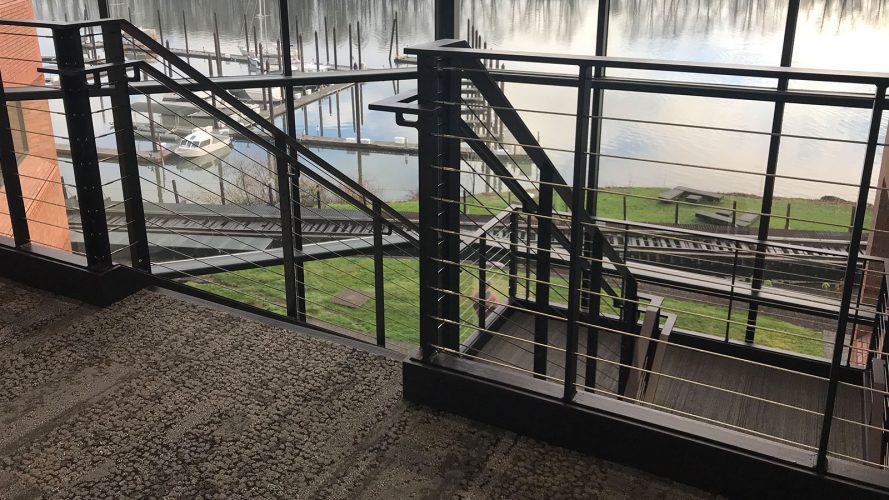
When the temperature drops and the snow begins to pile up, your home’s exterior materials are put to the ultimate test. Winter is notoriously hard on outdoor structures; the cycle of freezing and thawing can turn a sturdy deck into a safety hazard in just a few seasons. While wood and vinyl often struggle with the “big freeze,” aluminum is engineered to thrive in sub-zero conditions. If you live in a climate where “winter-proofing” is a way of life, your choice of railing material can be the difference between a secure perimeter and a costly spring repair.
Defeating the Freeze-Thaw Cycle
The biggest enemy of any outdoor material is moisture penetration. Wood is porous, meaning it absorbs water. When that water freezes, it expands, causing the wood fibers to “check,” crack, or splinter. Even some vinyl products can become brittle and “glass-like” in extreme cold, making them prone to cracking if bumped. Aluminum is entirely non-porous. It does not absorb moisture, which means it is physically impossible for ice to expand inside the material. Whether it’s 30°C or -30°C, the structural integrity of your aluminum railing remains identical.
No More “Wobbly” Posts
Winter isn’t just about the cold; it’s about the shifting of the earth and the structure of your home. As the ground freezes and the wood of your deck contracts, railings can often become loose or “wobbly.” Aluminum railing systems are typically designed with precision-engineered mounting plates and heavy-duty fasteners. Because aluminum has a very low coefficient of thermal expansion compared to other metals and plastics, the railing itself won’t “shrink” away from its connectors. This ensures that when you grab that rail to steady yourself on an icy step, it feels just as solid as it did in the middle of July.
Salt and De-Icing Chemicals
Homeowners often use salt or chemical de-icers to clear their stairs and walkways. These chemicals are incredibly corrosive. They eat through the finish on steel railings and can chemically “burn” or discolor wood and composite decking. Aluminum’s high-quality powder coating is designed to be chemically resistant. While it’s always a good idea to rinse your railings once the spring thaw hits, you don’t have to worry about a handful of rock salt causing your railing to rust out or peel over the course of a single winter.